
Basics of Materials and Processes
Aluminum Turning
These days, it’s hard to imagine industrial applications without aluminum. It’s exceptionally well-suited for machining processes such as turning. However, there are important considerations to keep in mind. In the following text, you’ll learn everything you need to know about turning aluminum.
1,500+
Satisfied Customers
5,500+
Available Machines
0.11%
Complaint Rate
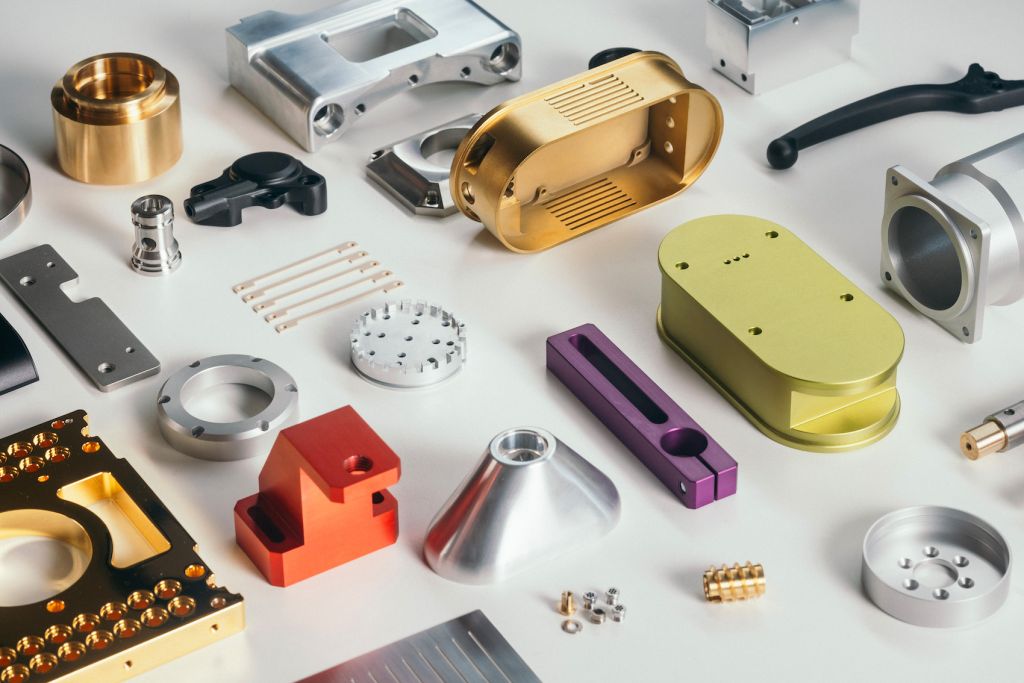







Alloy and Applications
What exactly is aluminum, and which alloy can be used for aluminum turning?
It is interesting to note that this element—which belongs to the group of light metals and is denoted by the symbol Al—was not discovered until the 19th century. This is because, although it is the third most abundant element in the Earth’s crust, it does not occur there in its pure form but only in compound form. Aluminum is most commonly found as bauxite, which consists of about three-fifths aluminum hydroxide. The extraction process is called smelting.
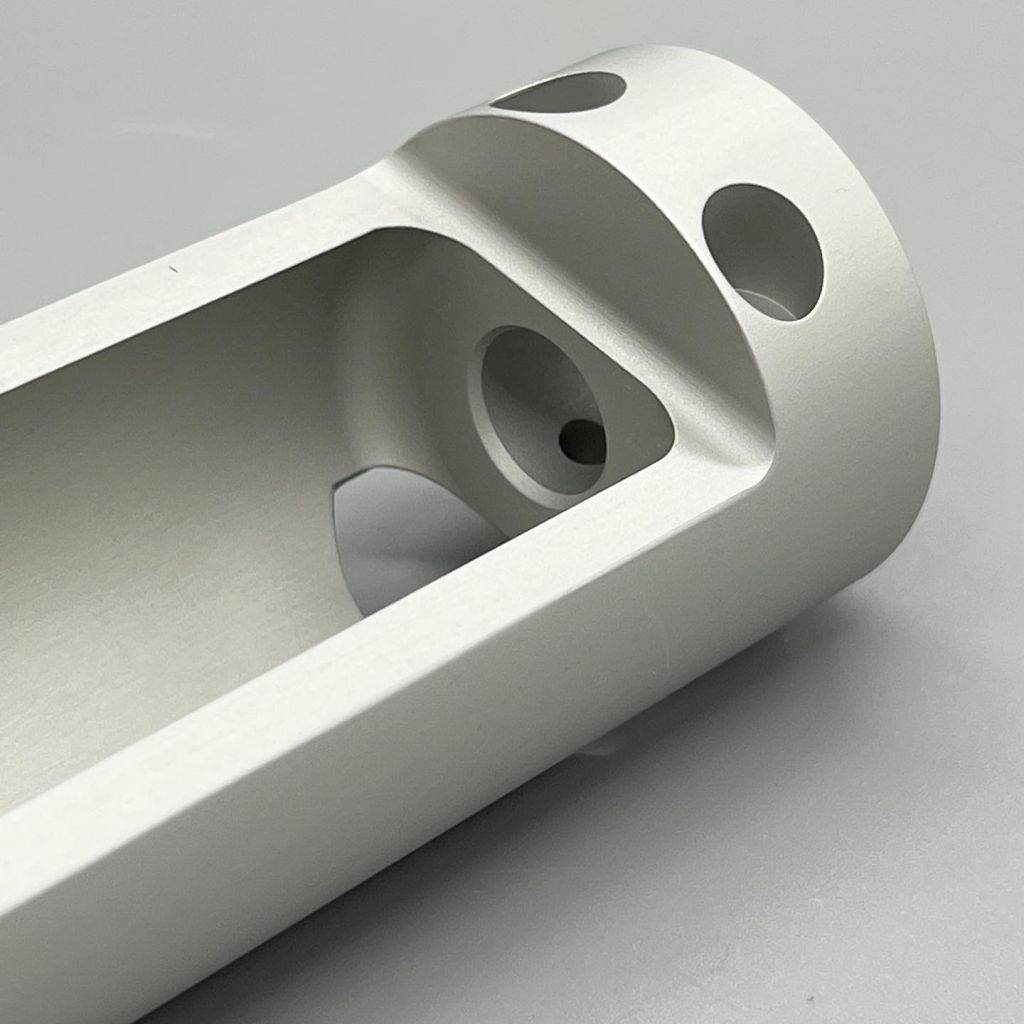
Aluminum is rarely used in its pure form
Purity and alloy composition are also key factors when it comes to the machinability of aluminum. Just like wrought alloys, pure aluminum exhibits long-chip formation; it “lubricates” itself. For this reason, pure aluminum is not suitable for turning and is rarely used in this form in industry.
Good hardening due to magnesium and copper
Instead, only work-hardened or heat-treated aluminum alloys are used. Common processing methods include plastic deformation through cold rolling or heat treatment. Aluminum can be hardened particularly well with magnesium and copper. Example: Pure aluminum has a tensile strength of less than 100 N/mm². By adding magnesium to the alloy, this value can be increased to around 240 N/mm². With a copper alloy, a value of 500 N/mm² can even be achieved.
The harder the aluminum, the easier it is to turn
Work-hardening materials include pure aluminum, as well as all naturally hard or hardenable aluminum alloys. The most common types are AlZnMgCu, AlCuMg, AlZnMg, and AlMgSi.
Examples of cast alloys suitable for turning
- AISi
- AISiMg
- AIMg
- AISiCu
- AICuTi
Get a quote for your parts
We will send you a suitable offer within 48 hours
CNC Turning
Technical Specifications
| Travel distances: | X-axis: up to 10,000 mm Y-axis: up to 4,300 mm Z-axis: up to 1,250 mm |
| Tolerances: | from +/- 0.005 mm |
| Surface roughness: | Ra 0.8 – Rz 3.2 |
| Batch sizes: | Starting at 1 piece |
| Machines | Modern 3- and 5-axis milling machines |
Our Materials
Available Materials
| Aluminum | Ceramics |
| Bronze | Plastics |
| Stainless steel | Copper |
| Steel | Brass |
| Casting | Titanium |
| Hard fabric | Additional materials available upon request |
| Inconel |
Upload
File formats


Applications of the Material
What are the applications of turned aluminum?
Thanks to its outstanding properties, aluminum is one of the most important materials used in industry worldwide. In addition to many everyday items, it is used to manufacture semi-finished products, such as sheet metal, tubes, and aluminum profiles. Furthermore, aluminum is often used as an alternative to copper conductors because of its high thermal conductivity.
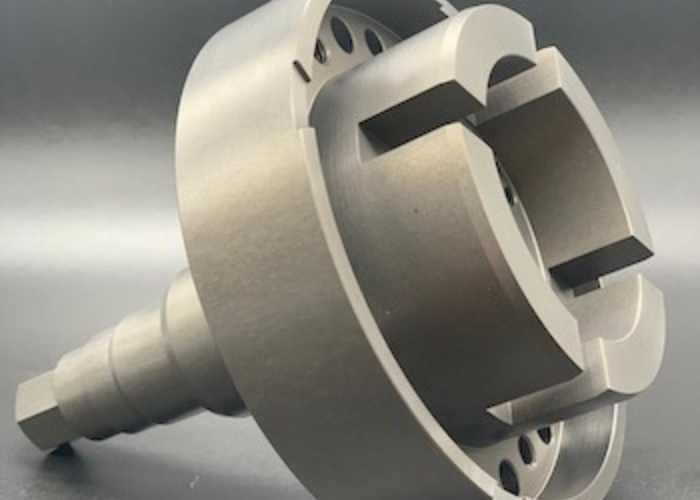
The Foundation of Industry
From the automotive industry to the construction industry, many sectors benefit from aluminum
Despite its robustness, aluminum is known for being lightweight, making it ideal for all industries that value this very advantage. These include, above all, the automotive and aerospace industries, which find that using lightweight aluminum provides a corrosion-resistant solution that also saves a significant amount of fuel thanks to its light weight.
Aluminum also plays a major role in the construction industry, as this material can, in some cases, drastically reduce construction time and save a lot of money. One reason for this is that aluminum’s light weight makes it easy to transport and process in one piece.
In addition, aluminum can be easily prepared in advance and does not need to be welded or painted on-site at the construction site. When used in roofs and facades, the aluminum oxide layer eliminates the need for any further treatment. Aluminum window and door frames help create a comfortable indoor climate.
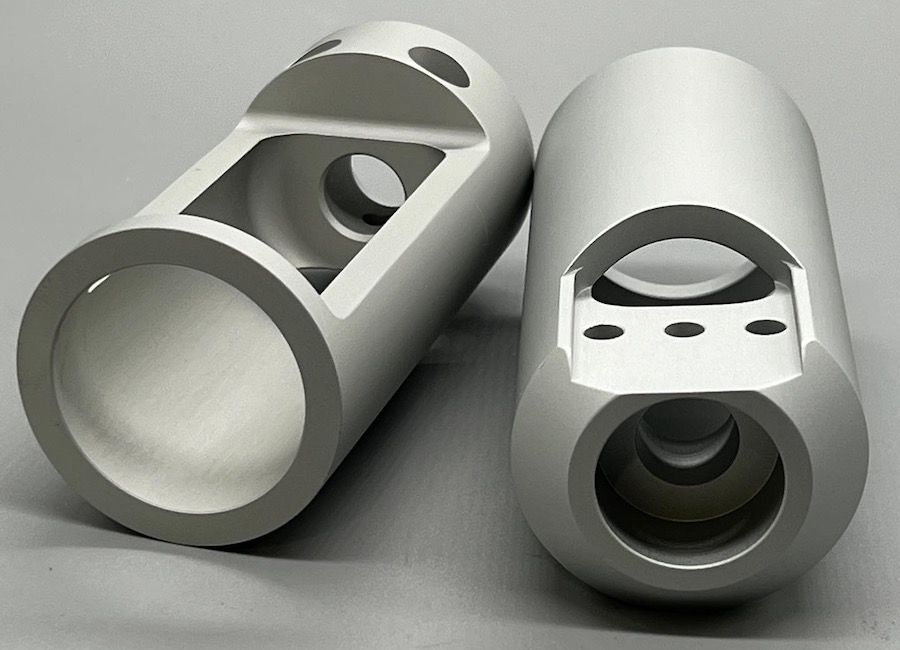
Benefits at a Glance
The Key Benefits of Aluminum at a Glance
We are your direct point of contact for all inquiries and orders regarding CNC manufacturing of prototypes, individual parts, small production runs, and—we’re happy to handle—larger quantities as well.
Our in-house automated manufacturing, a global network of strong partners, and CNC24’s quality management system in accordance with DIN EN ISO 9001:2015 make us your reliable and competent partner for turned parts, milled parts, stamped parts, cut parts, sheet metal parts, and surface finishes.
- lightweight (about 50% lighter than equivalent steel)
- corrosion-resistant
- shock- and impact-resistant
- easily formable both cold and hot
- UV-resistant
- vapor-tight
- non-magnetic
- temperature-insensitive
- ultimately tear-resistant
- easy to clean
- fully recyclable

Get a quote for your parts
We will send you a suitable offer within 48 hours
Special Features
Aluminum Alloys with Silicon
If the alloy contains silicon, special care is required. This is because silicon has a direct effect on the melting temperature. When turning aluminum alloys containing silicon, the following rule applies: The higher the percentage of silicon, the lower the feed rate should be.
Things to Keep in Mind When Turning Aluminum
What should be kept in mind when turning aluminum, and what problems might arise?
Although aluminum is generally an excellent material to machine, the process still requires expertise. One of the most important considerations when turning aluminum is selecting the correct cutting speed. The main criteria to keep in mind here are primarily:
- The Composition of the Alloy
- Tool Quality
- Inspection report for each shipment
- The Features of the Lathe
General Recommendations Regarding Cutting Depth, Feed Rate, and Speed
Tip
Less than 12% silicon
For aluminum alloys containing less than 12% silicon, a cutting depth of 1.0 mm, a feed rate of 0.1 mm/rev, and a cutting speed of 100 m/min are typically used. With a cutting depth of 2.0 mm and a feed rate of 0.3 mm/rev, the cutting speed is 600 m/min; with a cutting depth of 3.0 mm and a feed rate of 0.6 mm/rev, the cutting speed can be calculated at 1200 m/min.
Tip
More than 12% silicon
For aluminum alloys with a silicon content of more than 12%, the cutting speed decreases in proportion to the depth of cut and the feed rate. For example, a cutting speed of 100 m/min corresponds to a depth of cut of 0.5 mm, with a feed rate of 0.1 mm/rev. At a cutting speed of 200 m/min, the cutting depth is 1.0 mm and the feed rate is 0.2 mm/rev. At 300 m/min, the depth is 1.5 mm and the feed rate is 0.4 mm/rev.
Your partner for all components
CNC24 stands for…
- Simple procurement processes
- On-time delivery and fast delivery
- Quality control in our own measuring center in Berlin (ISO9001)
- Global network with over 500 audited suppliers
- Highest quality and competitive prices for all manufacturing processes
- All plastics and metals available in over 600 materials

Save yourself time and effort and let us do the work. Thanks to streamlined procurement processes and state-of-the-art CNC machines, we are able to machine aluminum and a wide range of other machinable materials quickly and at a fair price. Whether you need a prototype or are looking for mass production, we guarantee tested quality and fast, on-time delivery. In addition to our standard express delivery within six to 12 business days, we also offer 72-hour express manufacturing.
See for yourself and request your personalized quote
today. Do you have any questions? Our team will be happy to assist you by phone at +49 (0)30 994 04 904.
See for yourself
Why CNC24 Is the Best Partner for Aluminum Turning
Aluminum is one of the most important materials in the manufacturing industry due to its outstanding properties. In particular, the combination of lightness and strength makes aluminum indispensable in many industries, such as the automotive and construction sectors. Aluminum alloys are easy to machine, but turning and milling aluminum still require specialized expertise. Cutting depth, feed rate, and speed must be optimally coordinated depending on the alloy composition.
Your partner for all components
Other manufacturing processes
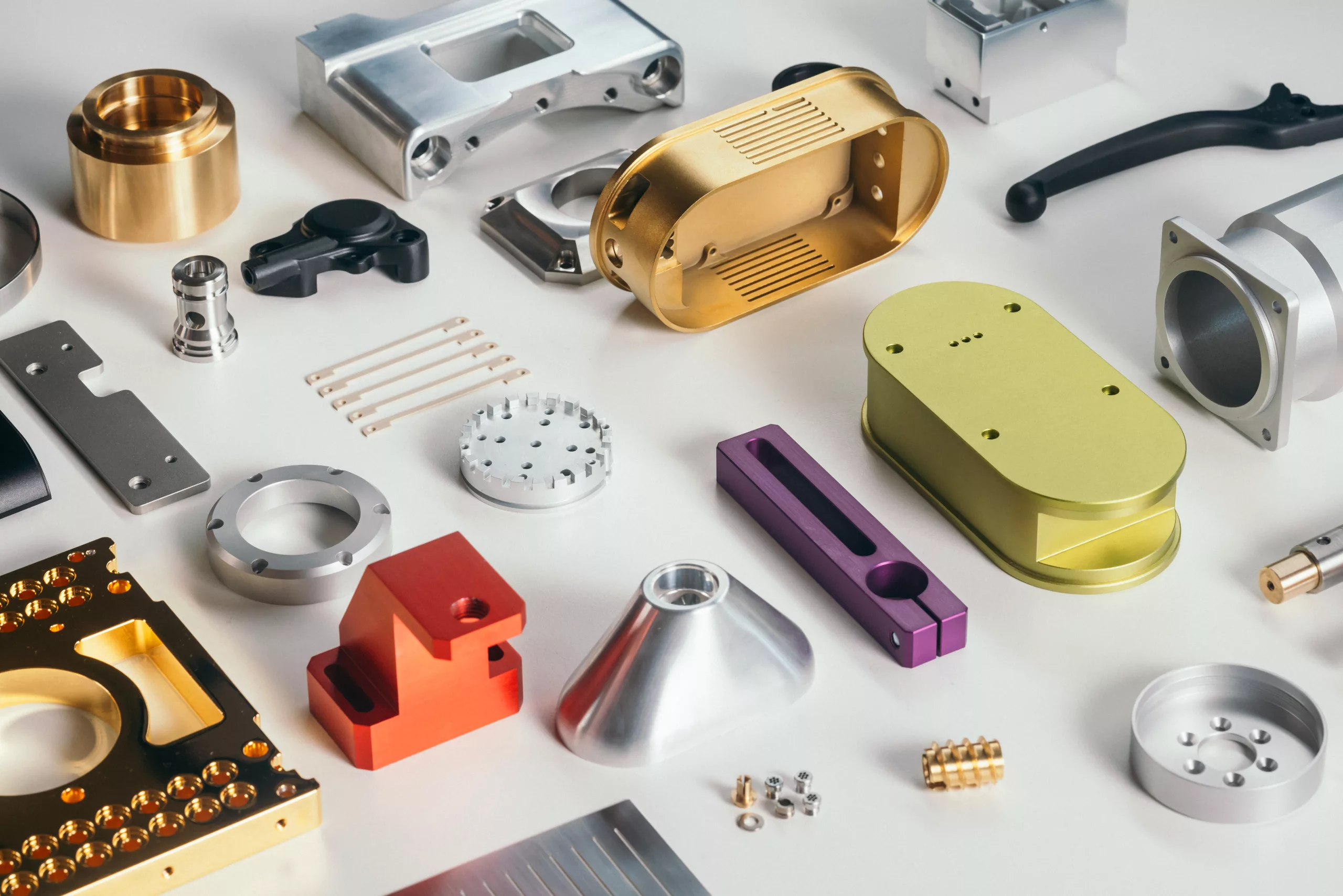
What we produce
Our sample components
CNC24
The easiest way to order components