Machining with the highest precision
Stainless Steel Milling:
Here’s how
In this article, learn more about stainless steel in the manufacturing industry. You’ll also find seven tips for successfully milling stainless steel.
1,500
Satisfied Customers
5,500
Available Machines
0.11%
Complaint Rate
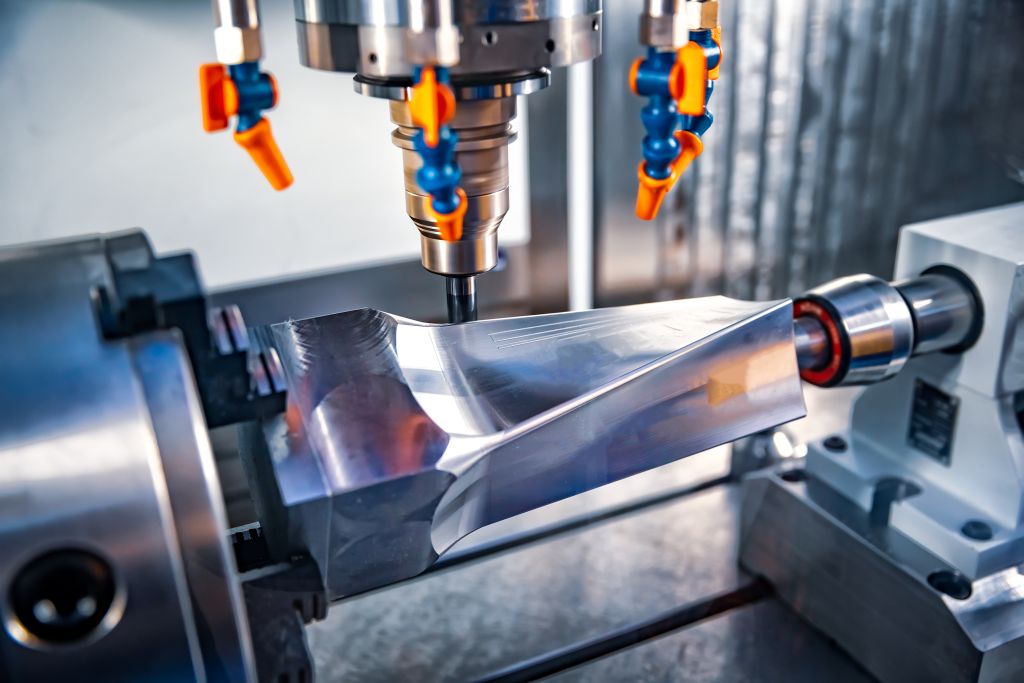







Here’s how it works
Stainless Steel Milling
For decades, stainless steel has been at the very top of the popularity rankings for building materials.
Its properties make it the ideal base material for various components that are in high demand across a wide range of industries, particularly due to their corrosion resistance.
Milling stainless steel is a tried-and-true manufacturing method, but it takes practice to master.
The Contract Manufacturing Process at CNC24
It all starts with your call or message.
We will review your request and provide you with a transparent quote within a few days. No matter how complex your project may be, we are happy to take on any challenge.
Once we have agreed on a production order, we tailor our state-of-the-art manufacturing processes and techniques to the production of your products.
As a client, you will receive your components on time, as agreed, and in the agreed-upon quality. We can meet even the most complex needs, requirements, and designs. This enables your company to meet its deadlines and fulfill its orders, delighting your customers in the process.
Reliable CNC Contract Manufacturing
CNC24 is a contract manufacturer that honors its agreements.
When you order from us, you’ll receive every product in the desired configuration, by the agreed-upon deadline, and with consistent quality. This applies regardless of the quantity. Our machinery and our team of highly skilled specialists are at your disposal for the manufacture of your components.
Let our reliability and commitment to quality in manufacturing inspire you. As a contract manufacturer, we are the machining service provider you’ve been waiting for!
Why not hire CNC24?
Why CNC24
Your Benefits
- Flexible and available capacity at all times
- Competitive prices on all components
- Quality Control in Accordance with ISO 9001:2015
- A single point of contact for all manufacturing processes
- Digital processes with a personal point of contact
The choice is yours
Our Delivery Times
- Quote within 48 hours
- Standard production in 15–20 business days
- Express Service in 6–12 business days
- Super-Express Service in 72 Hours
Get a quote for your parts
We will send you a suitable offer within 48 hours
Surface Treatment
What are stainless steel components used for, and why is stainless steel milling a good machining technique?
Thanks to its durability, stainless steel is highly versatile. The material is germ-free and therefore very popular for the production of surfaces used in both the medical and food service industries. Many household items are also made of stainless steel. Scratches or other signs of wear on stainless steel are quite rare, even after years of use.
Stainless steel alloys containing chromium and nickel make the material consistently corrosion- and weather-resistant, which makes them very suitable for outdoor use. Stainless steel—defined as an alloy containing at least 13 percent chromium—is rust-resistant and can officially withstand temperatures of up to 300 degrees Celsius. Even the harshest weather conditions, water vapor, and various acids have no effect on stainless steel products.
Furthermore, stainless steel is extremely easy to shape and join as a base material. Architects and designers appreciate its appearance, and the plumbing and heating industries, for example, also regard stainless steel as the material of the future.
Milling is one of the most popular machining techniques for stainless steel—and for good reason! There are virtually no limits to the beautiful designs that can be created using this method. At the same time, however, the unique properties of stainless steel often pose a major challenge during the milling process. But don’t worry—we’ve prepared some tips for you on this topic later on!
Side Note: Types of Stainless Steel and Their Applications
Not all stainless steel is the same, a fact that is reflected not least in the raw material and retail prices. Below is a brief overview of the differences between the most common alloys.
Austenitic steel
Austenitic steels are also known as chromium-nickel steels because of their two main alloying elements. Their alloy composition makes them indispensable, particularly in the manufacture of household goods and in the food industry. This type of stainless steel is also of great use in mechanical engineering and the chemical industry due to its high durability.
The best-known grades of stainless steel are 18/8 and 18/10. The designation reflects the percentage composition of the steel. For example, 18/8 means 18% chromium, 8% nickel, and 74% steel. Only these grades are permitted to be labeled as stainless. In the manufacture of less expensive items, the nickel content is sometimes omitted entirely, or manganese is used to achieve a certain level of acid resistance. Super austenitic steel contains more than 20 percent nickel.
Martensitic steel
Martensitic steel is frequently used in the household goods sector, for example, in the manufacture of high-quality knives. At the same time, it is also used in the production of surgical instruments. Martensitic steel alloys contain between 10 and 18 percent chromium.
420 nickel-free chromium steel has a ferritic microstructure and is therefore magnetic. This makes it ideal, for example, for manufacturing lids that are specifically designed to have this property. Although pure chromium steel is not quite as corrosion-resistant as its austenitic steel counterparts, it is still highly resistant to most aggressive acids and alkalis.
Ferritic steel
Ferritic steel is divided into two groups based on its composition: one with just over 10 to 13 percent chromium and one with up to 18 percent. The higher the chromium content, the better the corrosion resistance; however, it is almost always better than that of martensitic steel. The formability of ferritic steel is somewhat limited and generally involves cold working. To make it hardenable and magnetic at the same time, elements such as vanadium or molybdenum are added.
Ferritic steel exhibits a pleasingly high resistance to chloride and is heat-resistant. Visually, however, it is not particularly appealing compared to other types of steel. This, in turn, makes it a good and comparatively inexpensive base material for the production of castings in chemical plants or in the water treatment industry, for example, for storage furnaces. Car exhaust pipes are also made of ferritic steel.
Get a quote for your parts
We will send you a suitable offer within 48 hours
CNC Milling
Technical Specifications
| Travel distances: | X-axis: up to 10,000 mm Y-axis: up to 4,300 mm Z-axis: up to 1,250 mm |
| Tolerances: | from +/- 0.005 mm |
| Surface roughness: | Ra 0.8 – Rz 3.2 |
| Batch sizes: | Starting at 1 piece |
| Machines | Modern 3- and 5-axis milling machines |
Our Materials
Available Materials
| Aluminum | Ceramics |
| Bronze | Plastics |
| Stainless steel | Copper |
| Steel | Brass |
| Casting | Titanium |
| Hard Tissue | Additional materials available upon request |
| Inconel |
Upload
File formats


Surface treatment
We get the best out of your components
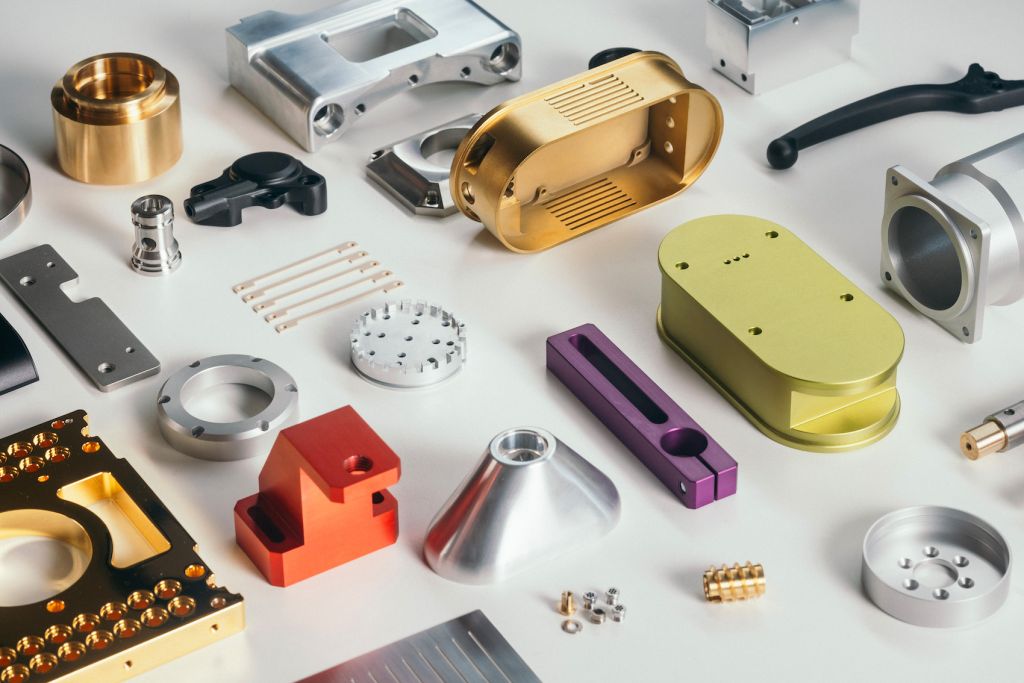
Refinement, appearance, protection against wear and corrosion prophylaxis of the turned components are as much part of our core business as the production of components.
- Sandblasting
- Paint
- Anodizing
- Powder coating
- Electroless nickel
- Galvanizing
- Passivate
- Chromate
Get a quote for your parts
We will send you a suitable offer within 48 hours
7 Tips
For milling stainless steel
1. The Best Milling Machine
Never machine stainless steel with a wood router; instead, be sure to choose a high-quality CNC router that is specifically recommended for machining metal and stainless steel sheets. It should be stable in all axes and fully optimized for the machining process. Only then can it withstand the high forces it encounters when milling stainless steel.
2. Continuous cooling
The key to milling stainless steel is constant cooling. This is because stainless steel has low thermal conductivity, making it difficult to dissipate the heat generated during machining through the chips. This could result in unwanted deformation or work hardening of the machined area. It is recommended to ensure a continuous supply of cooling lubricant throughout the entire milling process.
3. Tension and Cutting
Of course, it ultimately comes down to cost as well, but the higher the chip removal rate, the shorter the service life of your milling machine will be. Furthermore, this is the best way to avoid the risk of surface damage. When considering the number of cutting edges, the guiding principle is: The harder the base material, the more cutting edges should be used.
4. Milling Heads
When milling hard stainless steel alloys, milling heads made of a cobalt alloy have proven to be highly effective, as they dissipate the heat generated very well. These include HSS milling heads of the VA type. When machining a relatively thin stainless steel plate, Type N HSS milling heads are worth trying. Solid carbide (VHM) milling heads are theoretically sufficient for roughing, but the resulting tool life—which can be significantly reduced in some cases—must be taken into account. A simple rule of thumb is: The higher the chip removal rate, the shorter the tool life.
5. Feed Rate and Speed
Cutting Speed for Milling Stainless Steel. If you choose HSS milling heads, a cutting speed between 10 and 14 m/min is recommended when milling stainless steel. If you want to calculate the feed rate yourself, you can use the following formula:
vf = n * z * fz
Breakdown:
vf = feed rate in mm/min
n = milling cutter speed in rpm
z = number of cutting edges on the milling cutter
fz = tooth feed in mm/tooth (typically 0.1 mm/tooth for aluminum)
For simplicity, this data can also be quickly obtained from reference tables or online cutting data calculators.
6. Safety
It cannot be emphasized enough that milling is a potentially dangerous machining process. Therefore, you should never fail to wear appropriate protective clothing and safety glasses. For a relatively small investment, you can prevent serious accidents.
7. Professional Support
Is stainless steel production still new territory for you, but do you need a relatively large number of stainless steel modules fairly quickly? Not only in that case, but especially then, you should consider having your stainless steel components simply milled by a reliable specialist.
Reliable Quality
The CNC24 Quality Promise
All components are inspected in our in-house measurement center. If a component does not meet our quality standards, we rework it in our own production facility or, in some cases, even manufacture a new one.
- Maximum on-time delivery and flexible capacity at all times
- Outstanding quality from a German medium-sized company, combined with international scale and performance
- 100% Digital Processes for Maximum Efficiency
- No tedious claims processes and a reduction in the workload associated with our customers’ incoming goods inspections

Your Partner for All Components
How about us? CNC24 stands for:
Here at CNC24, we have state-of-the-art, high-quality CNC milling machines and the expertise needed to provide you with profitable support for your projects, while you and your team can continue to focus on your day-to-day business. We stand for:
- Simple Procurement Processes
- On-Time Delivery
- Adherence to the highest quality standards

Get a quote for your parts
We will send you a suitable offer within 48 hours
Conclusion – Stainless Steel Machining Made Easy with CNC24
Stainless steel is a versatile, all-purpose material used in many industries. Primarily composed of stainless steel, chromium, and nickel, it forms a high-quality, rust-resistant, and sterile alloy that is suitable for use in both the food industry and the medical field. In addition, many durable household items are made of stainless steel. Stainless steel is also widely popular in the chemical industry due to its acid resistance.
Are you looking for high-quality stainless steel components at a reasonable price? Then CNC24 is the right choice for you. At CNC24, your milled parts are manufactured using state-of-the-art 3-axis and 5-axis milling machines. In addition to stainless steel, we also mill other materials such as aluminum and offer additional manufacturing processes, including the machining of your precision parts. If you need your order quickly, our 72-hour express production service is the right choice for you.
Does this sound interesting? Then simply contact us using the online form, and we’ll send you a no-obligation quote within the next 48 hours. We’d like to invite you to take a closer look at our milling services.
Your partner for all components
Other manufacturing processes
What we produce
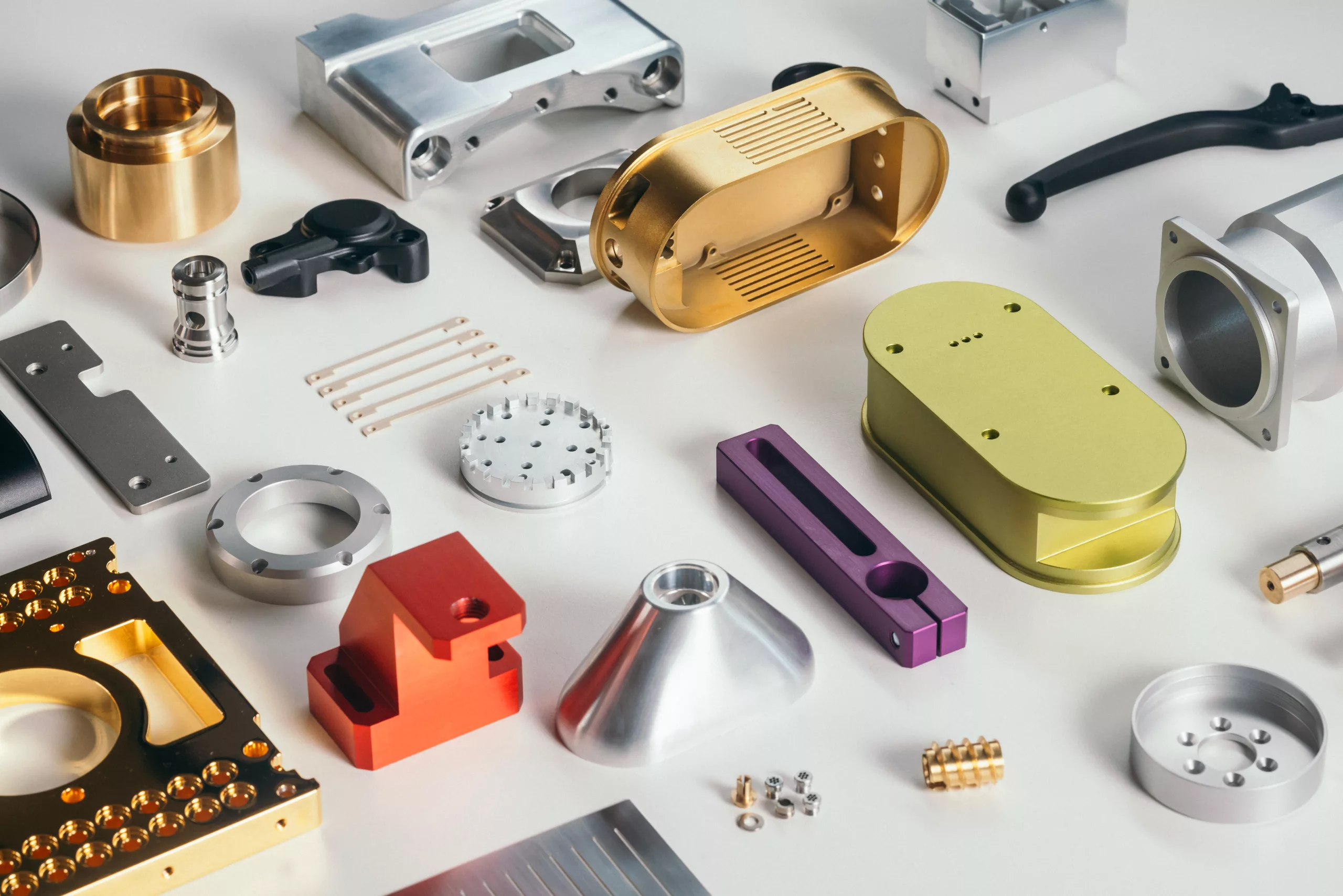
Our sample components
CNC24
The easiest way to order components